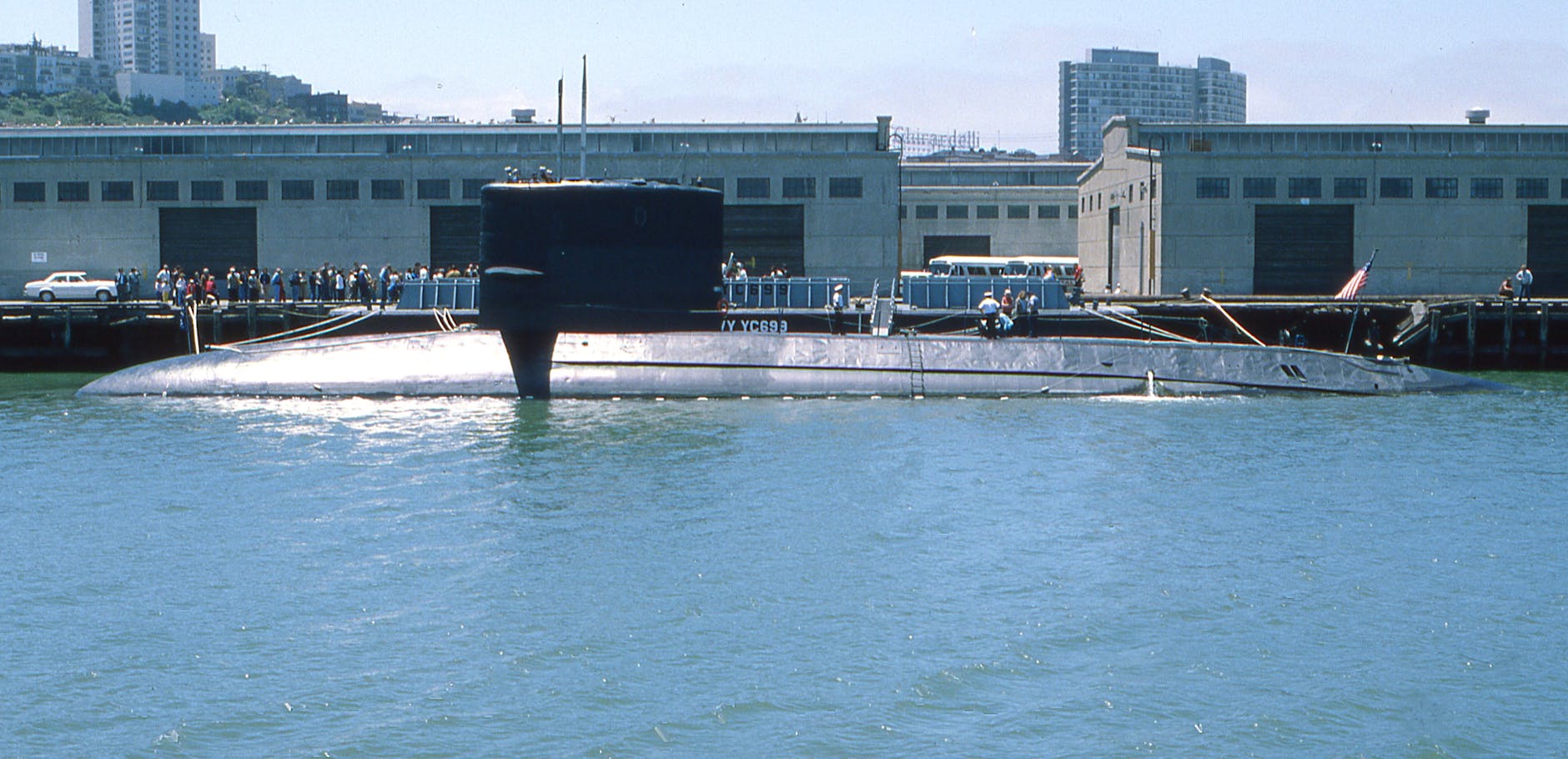
GALLE, Sri Lanka – A U.S. submarine’s torpedo attack has resulted in the sinking of the Iranian warship IRIS Dena, marking a significant escalation in the ongoing conflict involving the United States and its allies against Iran. The ship went down near the waters of Sri Lanka, leaving a devastating toll: 87 sailors confirmed dead, with 32 others rescued and receiving treatment in local hospitals.
Context of the Incident
Navy officials in India have reported that the IRIS Dena was sailing home after participating in naval exercises hosted by India, aimed at enhancing operational readiness among participating nations. The event, International Fleet Review and MILAN 2026, was conducted at Visakhapatnam from February 15 to February 25, attracting naval forces from 74 countries.
The tragic event has drawn attention to the precarious situation in the Indian Ocean, where geopolitical tensions are rising. U.S. Defense Secretary Pete Hegseth labeled the IRIS Dena a "prize ship," suggesting the attack was meant to showcase the U.S.-Israeli military operation's expanding reach beyond direct conflict zones.
Casualties and Response
The Sri Lankan navy responded to a distress call from the warship; however, by the time assistance arrived, the ship had already sunk, leaving debris and sailors adrift in the water. The recovery operation has provided some hope amid the tragedy, with 32 Iranian sailors being rescued, but the loss of life has raised deeper concerns about maritime security.
In a statement reflecting the growing tensions, Iranian Foreign Minister Abbas Araghchi condemned the U.S. for what he described as an "atrocity at sea." He vowed that the U.S. would "come to bitterly regret" this action, emphasizing the sanctity of maritime protocol and the loss of lives involved.
Implications for India and the Region
India, historically balancing its relations between the United States and Iran, finds itself in a precarious position. The sinking of the IRIS Dena has sparked debates over India’s maritime security strategy and its diplomatic balancing act in a tense geopolitical environment. Critiques from opposition leaders in India have highlighted the government’s lack of a robust response to such a consequential event, suggesting it warrants urgent attention given its proximity to Indian shores.
The Indian government has remained relatively silent following the attack, prompting inquiries about its diplomatic stance and priorities in ensuring security in the Indian Ocean, a vital artery for global trade and commerce.
Another Iranian Vessel in the Region
In a related development, Sri Lankan officials have noted the entrance of another Iranian vessel into Sri Lanka's exclusive economic zone, although further details about its purpose or the number of crew aboard remain unclear. As concerns mount over safeguarding lives and promoting regional stability, the Sri Lankan government has emphasized its commitment to keeping the peace amid escalating tensions.
The ramifications of the sinking of the IRIS Dena are likely to resonate across international maritime law, regional politics, and the ongoing conflict in the Middle East.
Conclusion
The sinking of the IRIS Dena symbolizes a stark escalation in the U.S.-Iran conflict, with significant implications for maritime security across South Asia and beyond. As the situation unfolds, the need for dialogue, security enhancement, and diplomatic engagement becomes increasingly urgent to prevent further loss of life and ensure stability in the region.
For ongoing coverage of this story and related developments, please follow our news portal for real-time updates.


