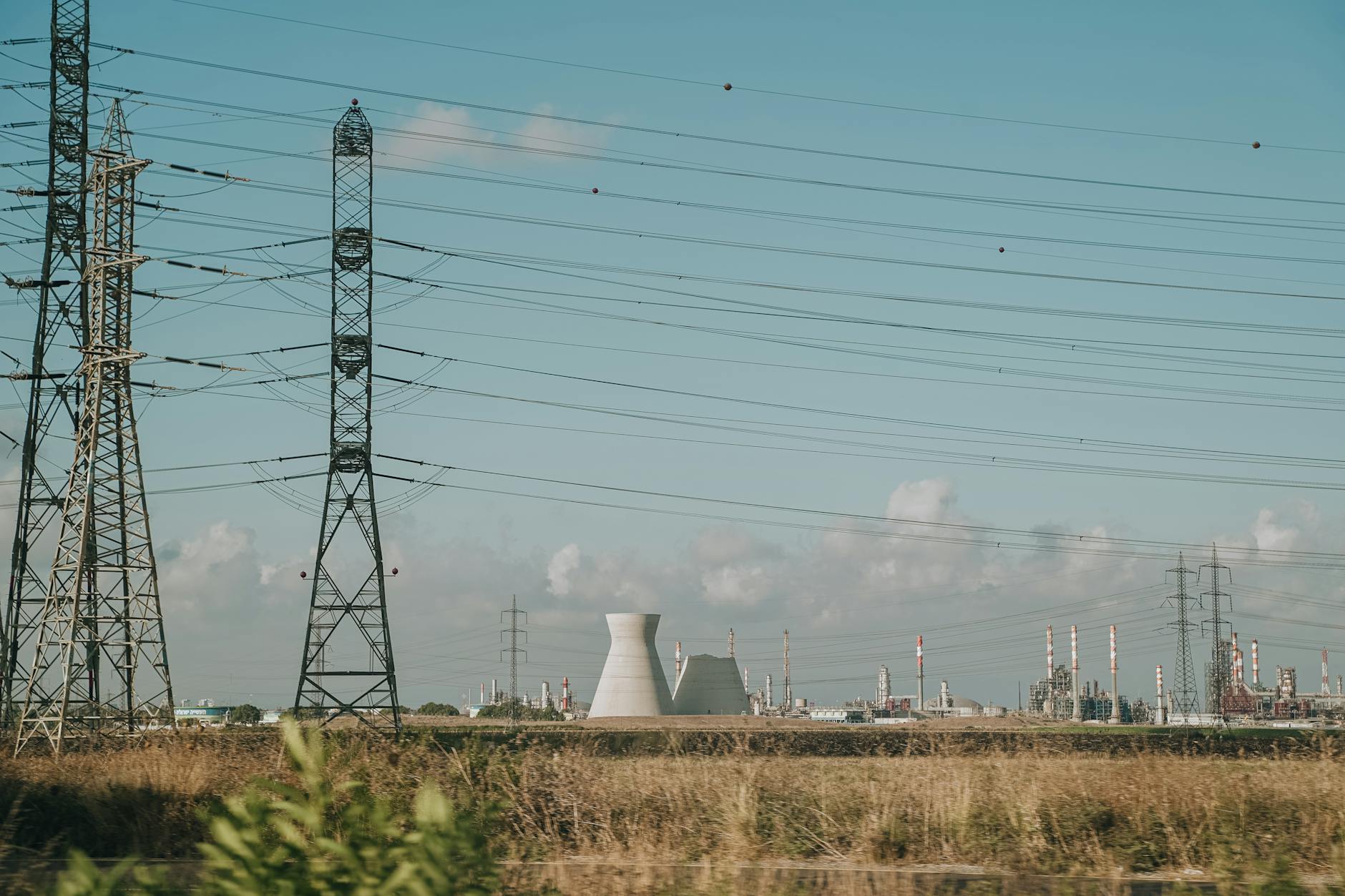
As the tense situation in the Middle East escalates, airstrikes lit up the night sky in Tehran on March 7, 2026, as Israeli military forces launched a significant wave of attacks against Iran. The strikes were confirmed by Israel’s military, which targeted several neighborhoods in the east and southwest parts of the city. This development comes on the heels of a speech by U.S. President Donald Trump, who asserted that Iran would face severe repercussions, stating, “Today Iran will be hit very hard!”
Israel’s Military Campaign Intensifies
Late Saturday, multiple explosions rocked Tehran's neighborhoods, followed by flames rising from an oil storage facility in the city, marking a dramatic escalation in the ongoing conflict. Israeli Prime Minister Benjamin Netanyahu promised "many surprises" in the coming days, suggesting that the week-long military operation is far from over.
Israeli military officials confirmed that this marked a new phase in their military campaign, with reports indicating that military targets are now being specifically sought out. Ironically, this appears to be the first time that a civilian industrial facility has been deliberately targeted in the war, raising concerns about the implications for civilian casualties and infrastructure.
Trump’s Stance: Complexity of Coalition Warfare
In a move that could further complicate the situation, President Trump publicly ruled out the involvement of Kurdish fighters in the conflict, highlighting the complexity of military alliances in the region. Trump expressed that while Kurdish forces are willing to assist, their involvement might complicate the existing war dynamics. “The war is complicated enough without getting the Kurds involved,” Trump stated.
Iranian Response to Strikes
The Iranian government responded to the attacks with retaliatory missile strikes directed towards Israel and Gulf states hosting U.S. forces. Iranian President Masoud Pezeshkian issued an apology for attacks on neighboring countries, attributing them to miscommunication among military leaders and asserting that such actions would cease moving forward. His remarks, however, suggest a significant division within Iran's ruling council regarding the nation’s military strategy, indicating friction between hardliners and more pragmatic politicians.
Civilian Impact and Military Strategy
Amid the barrage of Israeli airstrikes, there have been reports of missile hits on various infrastructures within Iran, including deep-rooted military installations and leadership targets. The ongoing conflict has resulted in substantial casualties, with the death toll surpassing 1,200 in Iran alone, necessitating urgent attention from international humanitarian organizations.
A university student in Tehran voiced concerns about the pervasive fear among citizens, stating that even those farther away from military and government targets feel endangered. Iranian officials say that the war strategy will continue as long as U.S. military bases remain in the region, with further threats promising continuous assaults on these sites.
U.S. Involvement and Regional Dynamics
As the conflict endures, the U.S. has maintained a significant military presence in the Gulf, with Trump reiterating that the U.S. will not tolerate Iranian aggressions. Indicatively, a missile struck an area near the U.S. embassy compound in Baghdad, underscoring the far-reaching effects of this conflict and the potential for broader regional instability.
Conclusion
The situation in the Middle East is evolving rapidly, as military actions intensify between Israel and Iran with the U.S. asserting its influence. The human cost of this conflict is becoming increasingly evident, with civilians on both sides bearing the brunt of warfare and escalating tensions. As leaders on all fronts strategize their next moves, international observers can only anticipate how these developments will shape the geopolitical landscape in the coming days.
For ongoing updates on this developing situation, follow our coverage as we provide further insights into the implications of these military actions and the responses of key stakeholders in the region.